











Accessing your Bongobongo account is straightforward once registration is complete. The login process requires your registered credentials and usually takes only a few moments. This guide explains how to sign in, what information you need, how to recover a forgotten password, and what to check when access does not work as expected.
Only registered users can access the account area and its available features. If you have already created an account, open the official website and use its login form rather than entering credentials through a link from an untrusted message. Users in Zambia can sign in through a desktop browser or a mobile browser, provided the connection is stable.
Bongobongo Login Guide
Start by opening the official website in a current browser. Check the address carefully before entering personal information, then locate the Login button, usually shown in the main site header. Selecting it should open the authentication form.
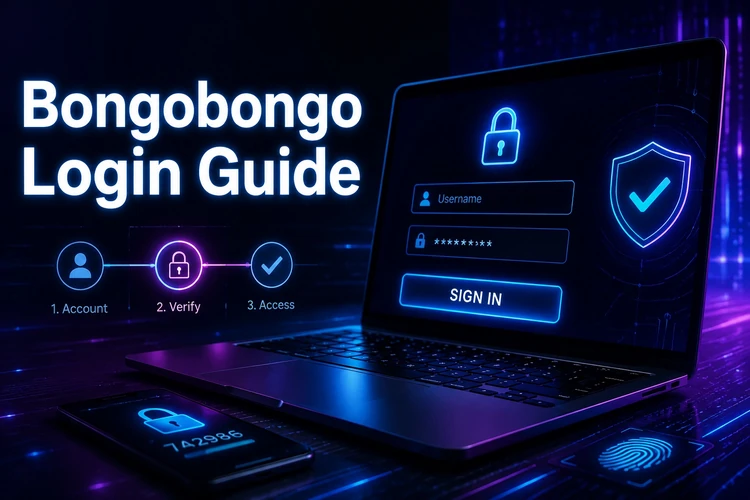
Enter the phone number or username associated with your registration. Type it exactly as recorded, including the correct digits and any required country format. In the password field, enter the password with the same uppercase letters, lowercase letters, numbers, and symbols used when the account was created.
Before submitting the form, check that Caps Lock is off and that the keyboard has not switched to another layout. Select the button that confirms the details. If the credentials match, the site should take you to your account dashboard, where you can review your profile and continue to the features available to you.
If the form clears or displays an error, avoid repeatedly submitting guesses. Recheck each field first, then use the recovery option if you cannot confirm the password. This reduces confusion and helps you identify whether the issue is with the username, phone number, or password.
Information Required to Login
The usual requirements are a username or registered phone number and the account password. The phone number supplied during registration can act as the account identifier, so an old or incorrectly entered number may prevent a successful sign-in. An email address may be available for some accounts, depending on the details used during registration.
Credentials are case-sensitive where applicable. Check spaces accidentally added at the beginning or end, the difference between similar characters such as 0 and O, and the keyboard language on your device. If you keep registration messages in your inbox or phone, they may help you confirm which identifier was originally used.
Do not send your password in a support message or share it with another person. A password manager can store the details securely, while a private written record should be kept away from devices and places other people can access.
Password Recovery
Password recovery is appropriate when the original password has been forgotten or no longer works after careful re-entry. On the login page, select the available recovery link, such as Forgot Password?, and enter the registered contact detail requested by the form.
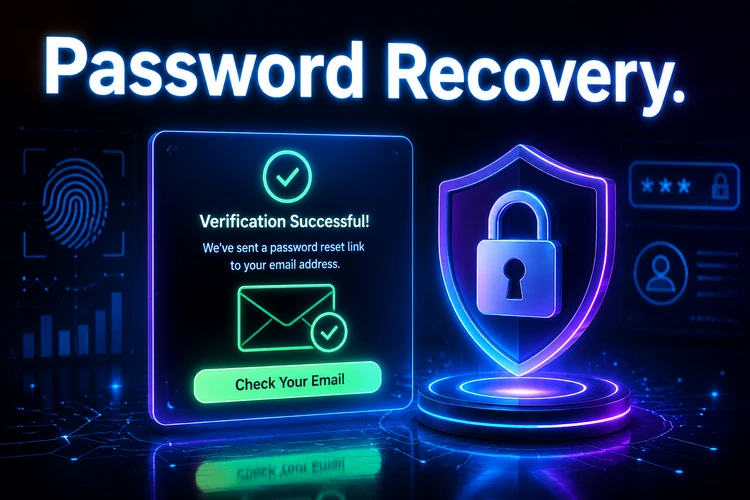
The recovery process may ask you to verify ownership through a code or a link sent to the contact information connected with the account. Use the newest message, follow its instructions promptly, and check spam or filtered folders if an expected email is not visible. Do not use a code that was requested for a different attempt.
Choose a new password that is long, unique, and not based on your name, birthday, phone number, or a common word. A mixture of letters, numbers, and symbols is useful, but length and uniqueness matter most. Store the new details safely and avoid reusing them on other websites.
If you no longer control the registered phone number or email address, the automated recovery steps may not be enough. Use the site’s available support channel and provide only the information requested for account verification; never disclose the old or new password.
Login Issues and Solutions
An incorrect password is the most common reason for a failed login. Re-enter it manually instead of relying on an old autofill entry, check Caps Lock, and confirm that your keyboard layout is correct. If the password still fails, stop guessing and begin the reset process.
A wrong username or phone number can produce the same result. Consider whether you registered with another number, and check saved registration information for typing errors. Do not create a second account simply because the first sign-in attempt failed; first confirm which credentials belong to the account you want to use.
Browser problems can affect the form even when the credentials are correct. Update an outdated browser, reload the page, and try a private window. Clearing cached files and cookies can resolve conflicts caused by old session data, although it may also sign you out of other websites.
A weak or interrupted connection may prevent the authentication request from completing. Switch between a reliable mobile connection and Wi-Fi, then try again after the page has loaded fully. If the problem continues across different browsers and networks, it may be a temporary service issue. Wait briefly and contact customer support if help is still needed.
Login Using Mobile Devices
Smartphones and tablets can be used through a modern mobile browser. Open the official site, wait for the page to finish loading, and tap the Login button. The responsive layout should adapt to the smaller screen, but zooming out slightly can help if a field or button is difficult to see.
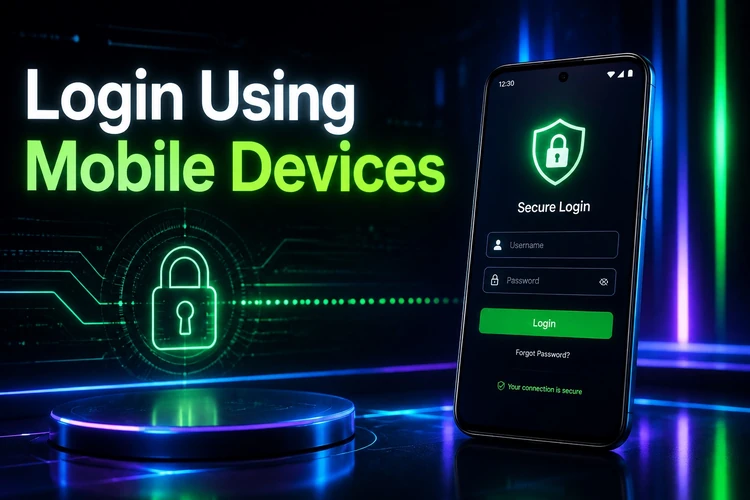
Android users can use Chrome, Firefox, or another current browser. If you have installed a dedicated application from a trusted source, its sign-in screen may provide an alternative; otherwise, the mobile website is sufficient. The available app interface can be reached from the mobile app information page.
Use a screen lock, keep the operating system and browser updated, and avoid entering credentials while connected to an unknown public network. Never let a shared device save your password. When using a borrowed phone, close the session and clear any autofill or browsing data that may contain account details.
Keeping Your Account Secure
Use a unique password for your account and keep it private. Staff or other users should not need to know it. If you suspect that someone has seen the password, change it through the account or recovery process and review any account activity that you do not recognise.
Always sign out after using a public or shared computer. Closing the browser alone may not end an active session. Do not select a browser option to save credentials on equipment that other people can use, and be cautious when opening login links received through unsolicited messages.
Before signing in, verify that you are on the official Bongobongo website and that the browser shows a secure connection. Phishing pages can copy familiar colours and layouts, so visual appearance alone is not proof that a page is genuine. If a message pressures you to disclose a password or verification code, do not comply.
Account access should also be used responsibly. Keep login details under your control, take breaks, and seek help if gambling stops feeling manageable. Security and responsible use are easier to maintain when you review your activity regularly rather than waiting for a problem.
FAQ
Open the official website in a current browser and select the Login button. Enter the registered phone number or username, then type the account password carefully. Check the details before submitting the form. If they are correct, the site should open your account dashboard.
Use the password recovery link on the login page and enter the registered contact detail requested by the form. Follow the verification instructions sent by the service, using the newest code or link. If the message is missing, check spam or filtered folders before requesting another attempt.
Yes. Open the official site in a current mobile browser, tap Login, and enter your credentials. The responsive page is designed to work on smaller screens, including Android devices. Use a private, reliable connection and do not save the password on a borrowed or shared phone.
First check the username, phone number, password, Caps Lock, and keyboard layout. Then update the browser, reload the page, or try a private window. A weak connection or temporary technical issue can also interrupt authentication. If the problem continues, wait briefly and contact support.
Select the recovery option on the login page and provide the registered phone number or other contact detail requested. Complete the verification step and create a new, unique password. Avoid birthdays, phone numbers, and common words, and never share the reset code or password with anyone.
Safe access depends on using the official website, protecting your password, and keeping your device and browser updated. Avoid suspicious links and unsecured shared devices, and sign out after using a public computer. If your credentials may have been exposed, change the password promptly.